Студия звукозаписи in 2024: what's changed and what works
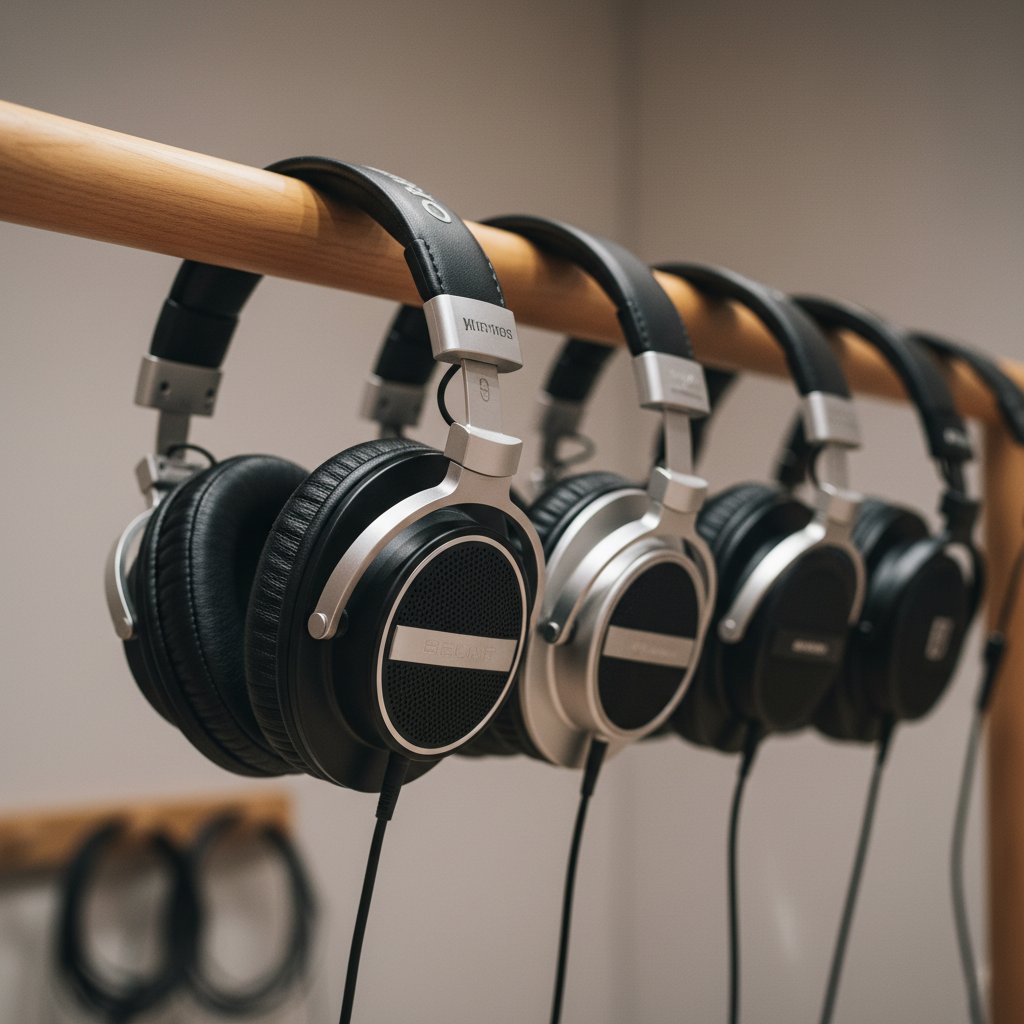
Recording studios have undergone a seismic shift since 2024 rolled around. The gear that dominated wishlists three years ago? Half of it's collecting dust. The workflows that seemed revolutionary in 2022? Already outdated. If you're running a recording studio or thinking about starting one, here's what actually matters now—and what you can safely ignore.
1. Hybrid Workflows Became the Default, Not the Exception
Remember when recording remotely was considered a compromise? That ship has sailed. Studios that thrived in 2024 built entire business models around hybrid sessions. Artists track vocals in São Paulo while producers tweak arrangements in Stockholm, all happening in real-time with latency under 15 milliseconds. Source-Connect and Audiomovers became as essential as Pro Tools itself.
The smart studios didn't just add remote capabilities—they redesigned their spaces around it. This means dedicated streaming rooms with proper camera angles, broadcast-quality lighting that doesn't hum, and network infrastructure that prioritizes audio packets. One studio in Nashville reported that 40% of their revenue now comes from hybrid sessions that would've been impossible to book three years ago.
2. Analog Gear Stopped Being a Selling Point (Unless It's Specific)
Here's the uncomfortable truth: nobody cares that you have "vintage analog gear" anymore. Plugins got scary good. Universal Audio's Luna captured actual console workflows. Acustica Audio's modeling became indistinguishable from hardware in blind tests that fooled even mastering engineers with 30 years of experience.
What does work? Owning specific, irreplaceable pieces. A Fairchild 670 still commands $300+ per hour. A properly maintained Studer A800 brings artists through your door. But that generic rack of Behringer compressors you bought in 2019? It's actually hurting your credibility. Studios that succeed now either go fully digital or invest in the top 1% of analog equipment—there's no profitable middle ground anymore.
3. Spatial Audio Created a New Revenue Stream
Dolby Atmos mixing went from "nice to have" to "you're leaving money on the table" faster than anyone predicted. Major labels now require Atmos mixes for most releases, and they're paying 30-40% premiums for studios equipped to handle it properly. The catch? You can't fake it with a plugin and headphones.
The barrier to entry sits around $25,000 for a legitimate Atmos setup—7.1.4 monitoring at minimum, room treatment that actually works in three dimensions, and a mixer who understands object-based audio. Studios that made this investment in early 2024 reported booking out their Atmos rooms six weeks in advance by November. One facility in Los Angeles said their Atmos room generates 3x the hourly rate of their traditional stereo rooms.
4. Session Musicians Got Replaced by AI (But Not How You Think)
AI didn't eliminate session players—it eliminated mediocre ones. Tools like Sonible's smart:comp and iZotope's Neutron now handle the technical heavy lifting that junior engineers used to spend hours on. This freed up budgets for actually skilled musicians who bring creative ideas, not just competent performances.
The studios winning this transition offer curated rosters of specialists rather than generalists. A drummer who only does jazz but absolutely kills it at jazz? Booked solid. A guitarist who can play anything but nothing exceptionally? Struggling to find work. The AI tools handle the "good enough" tier, which means human musicians need to be demonstrably exceptional.
5. Subscription Models Replaced Per-Hour Booking
The most financially stable studios in 2024 weren't chasing hourly rates—they built subscription relationships. Think $800-1,500 monthly for guaranteed access: 20 hours of studio time, mixing revisions included, priority booking, and cloud storage. Artists with steady release schedules jumped on this because it provided budget predictability.
This model works because it smooths out the feast-famine cycle that kills most studios. Instead of scrambling to fill Tuesday afternoons, you've got committed revenue. One studio in Berlin converted 30% of their regular clients to subscriptions and reported their first profitable Q1 in five years—typically their deadest quarter.
6. TikTok-Ready Mixes Became a Technical Requirement
Mastering engineers who ignored phone speakers got left behind. Artists now explicitly request mixes that translate on iPhone speakers with TikTok's compression applied. This isn't dumbing down the mix—it's understanding where 70% of first listens happen.
Smart studios added a final check to their workflow: play every mix through a phone speaker at 50% volume. If the vocal disappears or the hook gets buried, it goes back for adjustment. This takes an extra 20 minutes but prevents the desperate 2am remix requests that used to plague studios.
The recording studios that thrived in 2024 shared one trait: they stopped clinging to 2019's playbook. They killed their darlings, invested in what actually moved the needle, and built businesses around where artists are going, not where they've been. The gear matters less than you think. The adaptability matters more than you realize.