Why most Студия звукозаписи projects fail (and how yours won't)
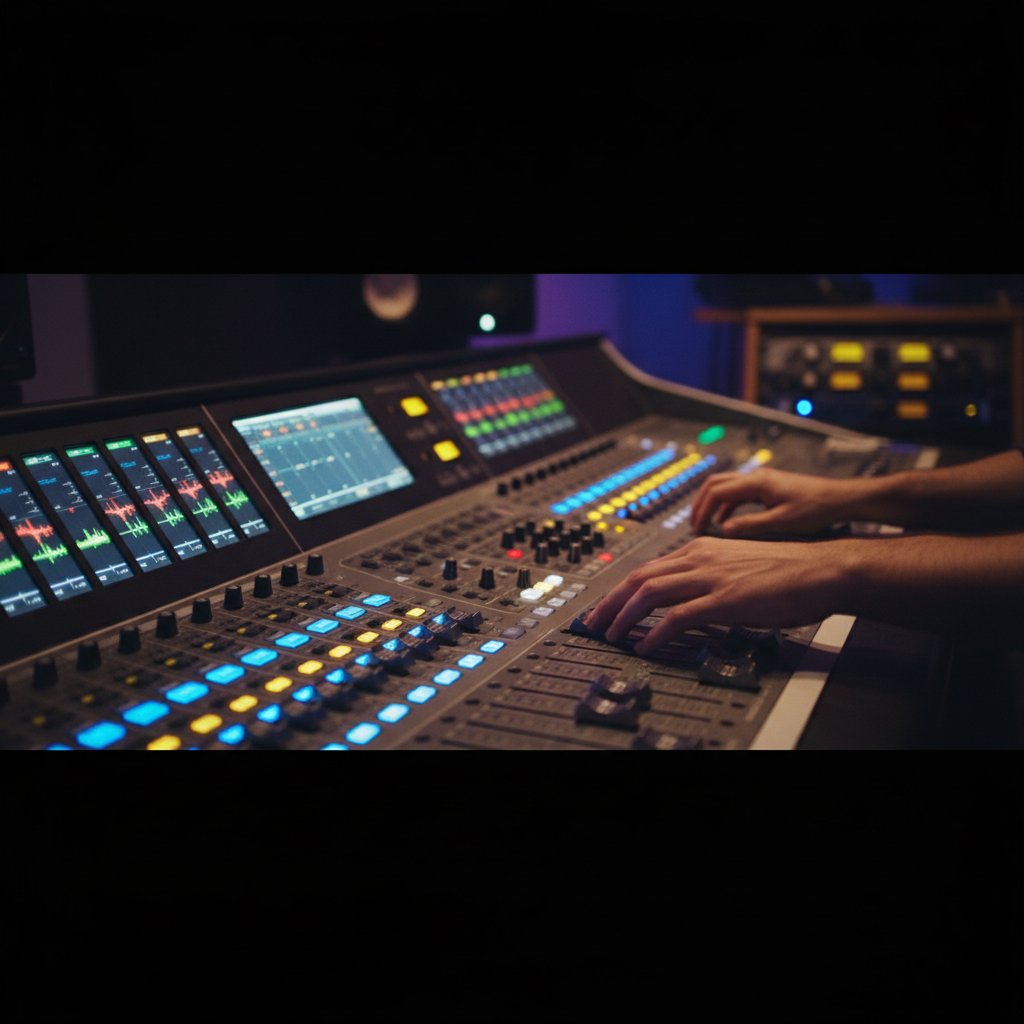
The $5,000 Mistake That Kills Recording Studio Projects
Last month, a talented indie band walked into my studio with a hard drive full of half-finished tracks. They'd already burned through $5,000 at another facility and had nothing to show for it except frustration and 47 versions of the same chorus. Sound familiar?
Here's the uncomfortable truth: roughly 60% of recording projects either never get finished or end up shelved because artists aren't happy with the results. That's not just wasted money—it's crushed creative dreams and momentum that's nearly impossible to rebuild.
Why Recording Sessions Go Off the Rails
The problem isn't usually the equipment or even the engineer. Most studio failures happen before anyone hits the red button.
Artists show up without clear reference tracks. They book 8 hours when they really need 20. They think "we'll figure it out in the studio" is a valid production strategy. It's not.
I've watched bands spend three hours debating snare sounds because nobody decided the vibe beforehand. That's $450 down the drain at standard rates, and you haven't even tracked a single take yet.
The Budget Blindness Problem
Most musicians wildly underestimate recording costs. They see "$75/hour" and think their five-song EP will cost maybe $600. Then reality hits: pre-production meetings, multiple tracking days, overdubs, vocal comping, mixing revisions, mastering. Suddenly you're looking at $3,500 minimum for something that actually sounds radio-ready.
The math gets brutal fast. A typical rock song needs 12-16 hours just for tracking and basic mixing. That's before your vocalist decides they want to re-do all the verses or your guitarist realizes the tone isn't quite right.
Red Flags That Your Project Is Heading South
Watch for these warning signs:
- You're on hour five and still doing soundcheck – This means preparation was inadequate
- The engineer keeps saying "we can fix it in the mix" – Translation: the source material is problematic
- You've recorded 30 takes of the same part – Either the performance isn't ready or nobody knows what "good" sounds like
- Communication feels rushed or unclear – Your engineer should be a partner, not a button-pusher
- The timeline keeps extending – Scope creep kills budgets and motivation
How To Actually Finish Your Recording Project
Step 1: Pre-Production Is Non-Negotiable (2-3 Weeks Out)
Record rough demos on your phone. Seriously. Send them to your engineer with reference tracks that match your vision. Have a 30-minute call to discuss arrangement, tempo, and sonic goals. This single conversation prevents 80% of studio disasters.
Nail down your BPMs. Decide if you're tracking to a click. Choose your key signatures. These aren't "studio day" decisions.
Step 2: Build a Realistic Budget With 25% Padding
For a professional-sounding single, budget $1,200-2,000. A five-song EP typically runs $4,000-7,000 depending on complexity. A full album? You're looking at $10,000-15,000 unless you're doing bare-bones tracking.
That 25% buffer isn't pessimism—it's insurance against the inevitable "let's try one more thing" moments that actually make your project better.
Step 3: Schedule Smart, Not Cheap
Booking marathon 12-hour sessions to save money backfires. Ears fatigue after 6-8 hours. Decision-making deteriorates. You'll approve mediocre takes just to escape.
Instead, book 4-6 hour blocks with days in between. Your brain needs processing time. Many artists hear problems on day two that were invisible during tracking.
Step 4: Limit Decision-Makers to Two People Maximum
Democracy doesn't work in studios. If all five band members get equal input on every snare hit, you'll never finish. Designate one creative director and one technical liaison. Everyone else focuses on performing their parts excellently.
Step 5: Set a "Revision Cap" Before You Start
Professional studios typically include 2-3 mix revisions. After that, you're paying $100-150 per additional round. Decide upfront: how many revisions are included, and what's the absolute maximum you'll do before calling it done?
Perfectionism is the enemy of finished. Your favorite albums have imperfections you've never noticed.
Keeping Your Project On Track
Create a shared spreadsheet tracking your hours spent versus hours budgeted. Update it after every session. When you hit 75% of your time budget, have a hard conversation about what's essential versus nice-to-have.
Schedule a midpoint check-in with your engineer. Are you on pace? Does anything need to change? This 15-minute conversation can save you from discovering problems when it's too late to fix them affordably.
Most importantly, trust your engineer's experience. If they suggest moving on from a part, they're probably right. They've heard 10,000 mixes. You've heard yours 10,000 times. There's a difference.
That indie band I mentioned? We salvaged their project by focusing on their three strongest songs, ditching the rest, and finishing properly. They released it six weeks later. It's now at 200,000 streams. Sometimes finishing beats perfecting.